
Judge Blocks IRS Data Sharing
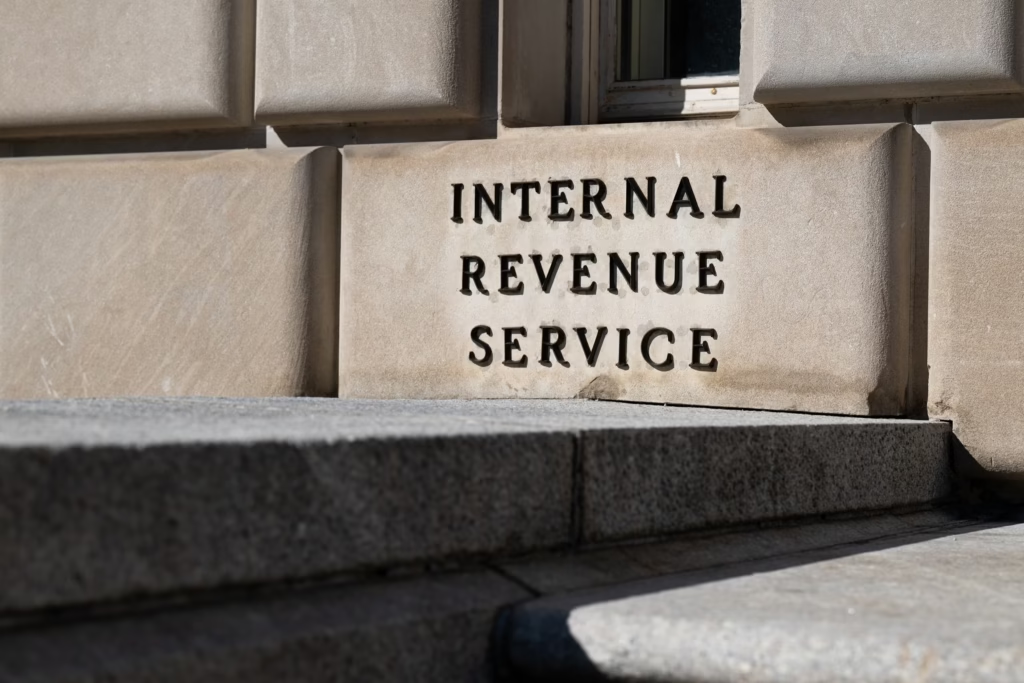
A judge recently blocked the IRS’s plan to data sharing with ICE. This means the Internal Revenue Service cannot give personal information of taxpayers, like home addresses and tax details, to immigration authorities for now. The decision is important because it stop new data sharing and protects people’s privacy. Many people are giving attention to this because it affects peoples who pay taxes.
The plan for data sharing caused worries from the start. Many immigrants and other taxpayers were concerned that their private information would be used to enforce immigration rules. People feared that if IRS shared addresses with ICE, some families could face problems. The judge said the IRS did not properly explain why it wanted to change the rules about keeping tax records private. Because of this, the court blocked the new data sharing.
Data sharing between government agencies is not new, but it usually has strict rules. The IRS has always kept tax information private. This trust is important because people report their income and pay taxes with the understanding that their personal information is safe. The proposed data sharing with ICE broke that trust, according to the judge, and many advocacy groups said it was unfair.
The ruling is a relief for many people. Immigrants, low-income workers, and people who use tax ID numbers to file taxes now feel safer. They do not have to worry that their addresses or personal tax data will be handed to ICE. The judge’s decision shows that the courts can protect privacy, even when government agencies try to share data for other purposes.
IRS already shared some data with ICE before the court blocked the plan. Tens of thousands of addresses may have been transferred. However, the judge said that no new data sharing can happen while the case continues. This pause is important because it prevents further potential misuse of personal information. The freeze gives people a sense of protection for the time being.
The case highlights how sensitive data sharing can be. Tax information contains personal details that must be handled carefully. When agencies like IRS try to share it with ICE or other authorities, there are risks. People may lose trust in the tax system. They may even avoid filing taxes or reporting income accurately if they fear data sharing. The judge’s decision stops this from happening, at least for now.
Groups that protect immigrants and workers have praised the court’s decision. They argued that data sharing with ICE could harm many people who pay taxes honestly. These groups also pointed out that the IRS did not follow proper procedures when changing the rules. By calling the plan “arbitrary and capricious,” the judge said that IRS did not properly justify the need for data sharing.
For families, the decision is very meaningful. Data sharing would have created fear among immigrants and other vulnerable groups. Many people now feel that they can file taxes safely without thinking about fraud by ICE. The ruling restores some trust in the tax system and shows that privacy still matters.
This case also raises questions about accountability. When government agencies share data, they must explain clearly why it is necessary. They must follow laws that protect personal information. The judge’s decision emphasizes that agencies cannot bypass privacy rules lightly. Data sharing cannot happen without careful review, and personal information cannot be exposed without good reason.
Even though the new data sharing is blocked, there are still concerns. People wonder what will happen to the information that was already shared. ICE keep using it? The IRS take steps to protect or delete the data? Courts need to ask these questions in the future but for now no new sharing is allowed.
The ruling is also part of a big conversation about government and privacy. Some discussion that ICE needs access to taxpayer addresses to country’s laws. Others say that giving this power risks privacy, trust, and fairness. The judge’s block shows that protecting personal data is important, even when there are government priorities.
In simple terms, data sharing between IRS and ICE would have meant giving sensitive personal information to immigration authorities. Many people were worried about privacy and safety. The judge said the plan was not properly explained and blocked it. This stops new data sharing and protects people for now.
The case shows that privacy is very important. People trust that their personal information is safe. Government agencies must follow rules and cannot share data without a reason. The block on data sharing is a reminder that courts can protect citizens when privacy needs.
For the public, the decision is a relief. Immigrant families and other taxpayers can now do their taxes without worrying about ICE. The tax system works better when people feel safe, and stopping data sharing helps them trust it again. People can continue paying taxes honestly, knowing their private information is safer.
This story teaches a lesson: even powerful government agencies cannot ignore privacy laws. Data sharing can help with law enforcement, but it should not break trust or privacy rules. Courts help make sure data sharing does not hurt people unfairly.
The ruling also shows that change in government policies must be carefully explained. IRS wanted to share addresses and tax data with ICE, but it did not clearly justify it. The judge said this was not enough, and now the plan is stopped. Data sharing will remain paused until the case is fully decided.
In the future, people will watch closely. Will the IRS try a new data sharing plan? Will the court rule on how the already shared data should be handled? These questions are important for many taxpayers. But for now, the block on data sharing gives safety, security, and confidence in the tax system.
In short, the judge blocked IRS’s data sharing with ICE. This keeps taxpayers information private, stops new misuse of personal data, and makes families and immigrants feel safe. The case reminds us that personal data must be handled carefully and that courts can protect people when the government threatens privacy.
For more: https://www.wsj.com/politics/policy/judge-blocks-irss-data-sharing-agreement-with-ice
https://theflickdaily.com/wp-admin/post.php?post=3506&action=edit