
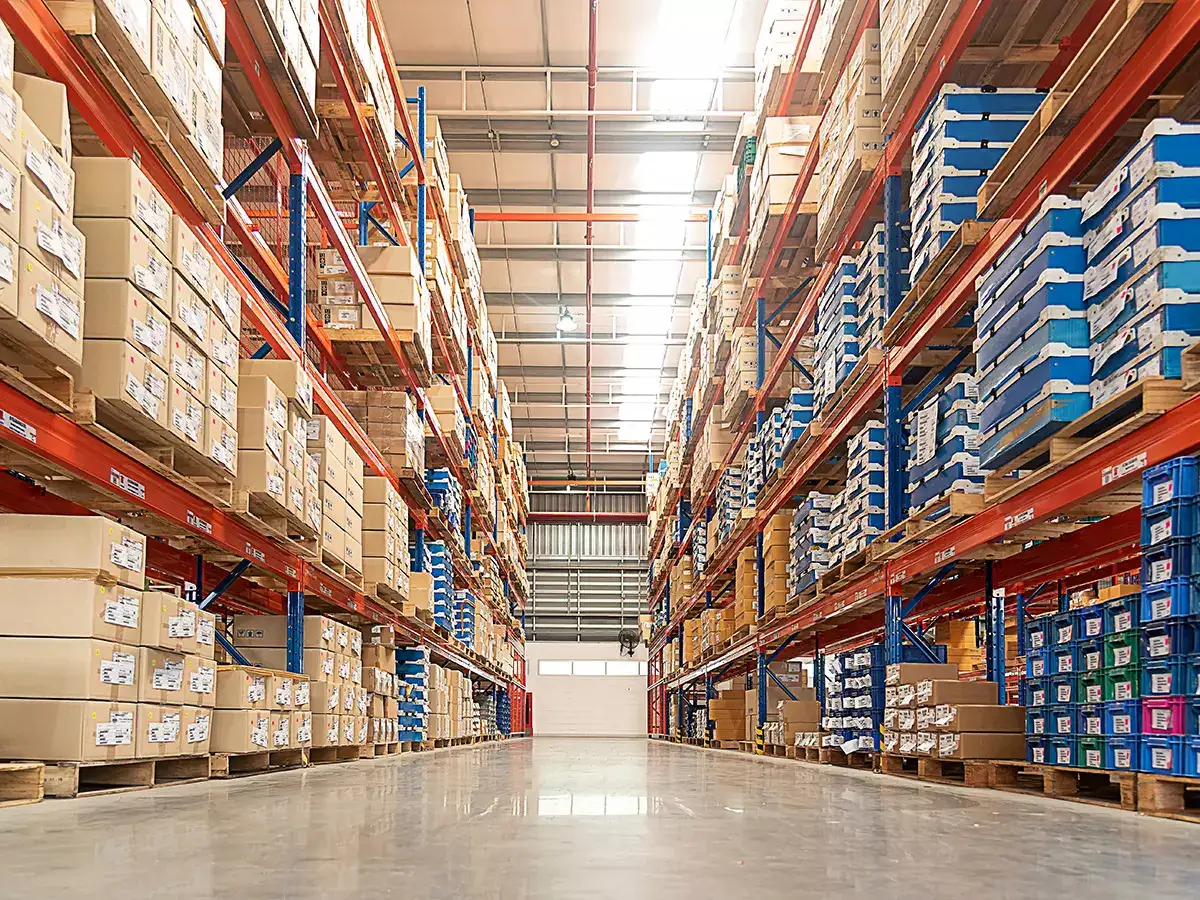
Warehouse Real Estate Rebalance
The warehouse real estate market is changing in 2025. For a few years, the market grow very fast. Many new warehouses built because companies need more space. Now in 2025, things slow down. Supply and demand are start to balance. This is a very good time for people who build ware houses, invest in them or use them for business.
Know what is happening can help people make better decisions. In the last few years, companies need many ware houses. Online shopping is very common and people buy many things online. These things stored somewhere. Because of this, many ware houses built in cities and near factories. But now in 2025, new building is slow. The market is not grow as fast, and supply and demand are balancing. One reason for this is money and the economy. Interest rates are higher now. Borrowing money to build ware houses costs more.
Because of this, some developers are careful. They do not want to build too fast. They want to wait and see what happens before starting new projects. Another reason is government rules. The government wants companies to make products in the country instead of importing from other countries. This is called onshoring.
Onshoring helps ware house real estate because goods made in the country need storage. Ware houses close to factories, ports, and transport are needed. In some areas, rents for ware houses are going down a little. Some regions have too many ware houses because many were built in the past years. Even if rents go down a bit, warehouse real estate is still strong compared to other types of commercial property.
In 2025, they are growing. Now many warehouses use machines and robots. Robots speed up workers’ completion of tasks. As a result, businesses require a variety of warehouses. In addition to shelves, new warehouses require room for machines and robots. The location of warehouses is also altered by technology. Fast internet and well-maintained roads are critical.
Investors in ware houses keep a close eye on the market. Since prices are stable, some people wish to purchase or rent now. Others watch to see if more ware houses are required or if rent drops. Each area and city is unique. Before making a decision it is crucial to understand the local area.
The use of small warehouses is growing fast. Online sellers want warehouses near to their clients. Instead of just building large warehouse parks outside of cities, builders might construct more small ware houses in towns and cities.
A component of supply are ware houses. Businesses known where to store products and how quickly to ship them. Businesses now attempt to strike a balance between cost, speed, and flexibility following supply issues in previous years. As a result, they need different of warehouses.
Efficient-energy and environment friendly warehouses are also critical. Businesses want warehouses that less pollute and less electricity. Solar panels and energy-efficient equipment and lights can all be found in warehouses. Green warehouses are more environment friendly and have low operating costs.
There is more ware house space in some places than in others. Rents remain high because cities may have less space. There may be a lot of empty ware houses in smaller towns which rents are low. To make big decisions, investors must be aware of these distinctions.
In many ware houses, employees are still crucial. To sort, pack, and ship goods, some warehouses require a large number of workers. More ware house projects are drawn to areas with a higher labour force. People are still needed in many places even machines can help.
Ware house real estate is start to stable in 2025. Growth has slowed, businesses still require space. Demand and supply are changing. Rents may become more stable as a result, and investors may have opportunities.
Local markets should be closely monitored by companies and investors. There are too many ware houses in some places, which drives down rents. Rents remain high in other areas because there is less space. It’s critical to understand the ideal location, warehouse size, and tenant requirements.
There is more to ware house real estate than just buildings. It has to do with supply chains, green buildings, technology, and location. For businesses to function effectively, they need the proper space. To profit, investors require the proper warehouses.
The market is also affect by government regulations. Local factories are encouraged by policies which increases the need for near ware houses. New construction is moving more slow because interest rates are still high. The market is still robust, despite a slight decline in some rents.
The economy depends on ware house real estate. It benefits supply chains, factories and online sellers. The market in 2025 will give opportunities for innovation. Companies, builders and investors can make future plans by checking on trends.
For more: https://www.cnbc.com/2025/11/28/warehouse-real-estate-rebalance.html
https://theflickdaily.com/wp-admin/post.php?post=2662&action=edit