
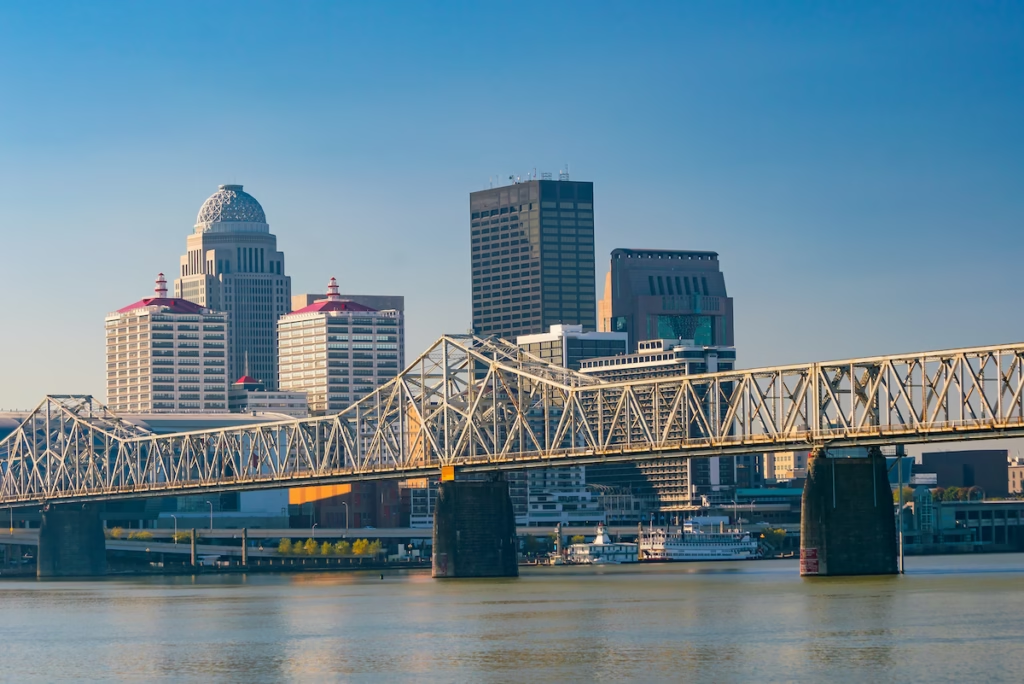
Regional U.S. metros
Regional U.S. Metros: 5 Investment Opportunities and Business Impact. Regional U.S. metros are no longer under the radar players. they are becoming meaningful hubs for business and investment growth. In this article, we’ll take you through five investment opportunities in regional U.S. metros and discuss the business impact of each. The aim is to use clear, simple language so that everyone from seasoned investors to new business‑minded readers can follow along easily.
Why Regional U.S. Metros Matter. When we talk about regional U.S. metros, we refers to metropolitan areas outside the traditional coastal giants. Those cities usually offer low costs, try to grow talent and support local policy. According to the Brookings Institution Metro Monitor locating metro economies from 2013‑2023, many small and large regional metros are seeing strong growth in GDP, wages and employment.
For investors and businesses, this is meaningful: it signals that putting resources into regional U.S. metros can give advantages compared to more crowded, expensive coastal markets.
Opportunity 1: Lower Real Estate & Operational Costs. One of the standout advantages of regional U.S. metros is reduced cost pressure. Office space, industrial facilities and even housing for employees often cost less than in major coastal hubs. That cost advantage can boost margins, free up capital and support business scalability. Business impact: Companies are locating or expanding to regional metros that can help cost savings. Investors in the commercial real estate can find better yield. Local business getting benefit from job creation and revitalized infrastructure.
Opportunity 2: Talent Availability & Quality of Life. As regular work and flexible arrangements continue, many workers are choosing cities with a more affordable cost of living and better work life. Regional U.S. metros are benefiting from this trend. For businesses, it means to access to talent without the premium wages of coastal markets. Business impact: Firms headquartered or expanding in these metros can attract talent at lower cost. The skilled workers helps their companies to innovate and grow more. Investors try to find growth companies emerging in previously looked locations. A report found that midsize cities saw strong business growth driven by SMBs and demographic migration.
Opportunity 3: Infrastructure & Manufacturing Growth. Many regional U.S. metros are seeing new investments in infrastructure, manufacturing and logistics. With supply‑chain re‑engineering and “reshoring” of production, these metros are becoming attractive for industrial investment and business operations. Business impact: Manufacturers may choose regional U.S. metros for new facilities, reducing input and transport costs. Investors can target industrial real estate, logistics hubs and supply‑chain plays in these markets. Local economies gain through employment, tax base expansion and infrastructure improvements.
For example, data tools such as the Federal Reserve Bank of St. Louis’s Community Investment Explorer show the scale of development capital flowing into regional areas.
Opportunity 4: Real Estate & Niche Property Sectors. Expect generic office and retail, regional U.S. metros offer real‑estate opportunities like think cold storage, Science labs, logistics parks, or affordable housing for growing populations. These segments usually have less competition in regional metros than in major hubs. Business impact: Investors can diversify portfolios with less‑crowded asset classes. Businesses can secure specialized real‑estate tailored to their operations at better cost. Local hubs get new property types, contributing to diversified economic ecosystems. Though precise numbers vary, data indicates that regional metros are increasingly relevant in non‑traditional property sectors.
Opportunity 5: Early‑Stage Business Ecosystems & Growth Companies. Regional U.S. metros startups and growth companies. While not matching major tech hubs, these metros offer lower cost of living and often strong local support. That means investment opportunities in earlier stage companies with potentially higher upside. Business impact: Businesses in growth sectors can with lower overhead. Investors want to go beyond the usual startup ecosystem can find best value in regional metros. Local business benefit from innovation, job creation and retention of talent. According to the assessment of startup ecosystems, metros outside the top tech hubs are gaining traction.
Regional U.S. metros opens up five compelling investment opportunities lower costs, talent access, infrastructure/industrial growth, real‑estate and early‑stage business. For businesses to think beyond the coast, and investors open to expanding their geographic lens, regional metros can deliver meaningful business impact. If you’re working on your next investment strategy, include a regional‑metro lens—because the shift is happening now, and positioning early can lead to strong gains.
For more: https://stackwealth.in/blog/investment
https://theflickdaily.com/goldman-this-week-earnings-power-picks-buy-these-stocks-before-the-rally/