
(Credit to Image Owner)
Wall Street is playing a game of “chicken” with President Trump—a gamble that his bombastic headline-making tariff threats are usually more bluster than substance. This risk-on approach has been a frequent narrative in 2025 as investors keep loading up on stocks even while trade tensions rise.
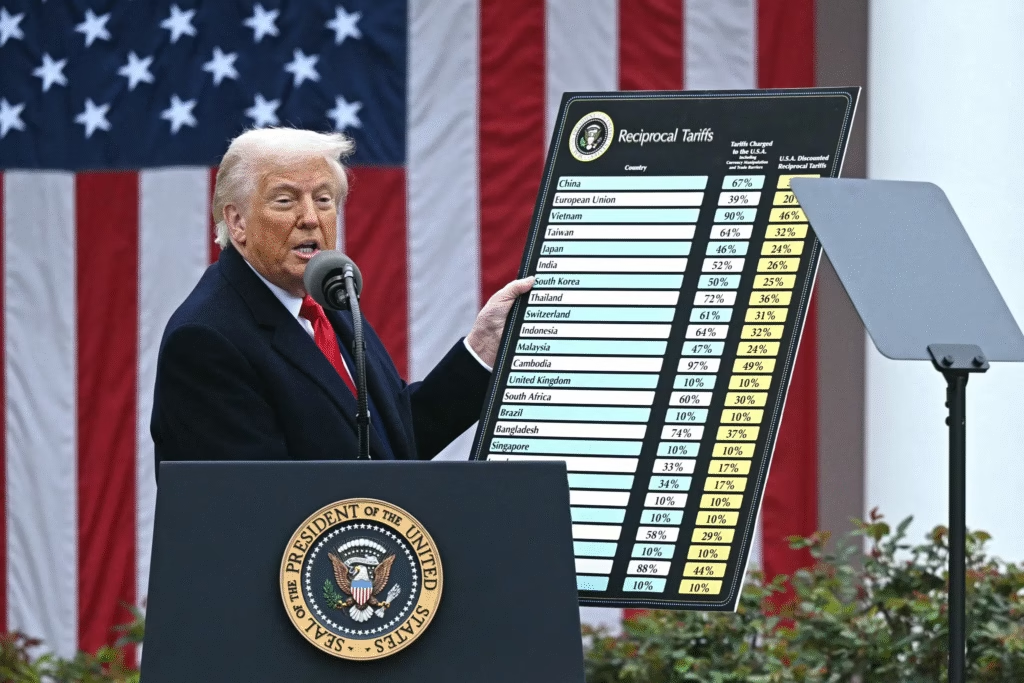
Since Trump’s broad “Liberation Day” tariffs in April—placing blanket import levies on industries across the board—U.S. markets first plummeted, erasing trillions of market value overnight. But within weeks, they recovered, fueled by investor confidence that Trump would finally retreat.
Tariff Threat Abound, Market Calm Prevails
Despite the belligerent posture, Wall Street mostly shrugged off such threats. The Atlantic Council recently pointed out in an analysis a “dangerous disconnect” between investors—wagering on Trump’s eventual backdown—and the administration’s resolute stance. “Investors continue to buy stocks, thinking that Trump will blink,” cautions expert Josh Lipsky.
This dynamic has driven tactics such as the “TACO trade” (Trump Always Chickens Out), whereby traders long after tariff threats are made—hoping for a bounce—and close positions when the threats are deferred or watered down.
Markets Tune Out but Risks Remain
Market reaction to tariff headlines has fallen considerably. The S&P 500 and Hang Seng indices are now barely reacting to fresh tariff news, showing investor fatigue. But some experts are concerned that this complacency is unwarranted.
At the same time, volatility surged recently when a federal appeals court declared most of Trump’s tariffs unconstitutional, though permitted them to stay in effect while appealed. Doubt about their legality and duration shook markets, even though major indices bounced back quickly.
Bonds Find Unexpected Ally in Tariffs
In a twist, bond investors are treating Trump’s tariffs as de facto revenue tools—bolstering hopes that they’ll help offset ballooning deficits from sweeping tax cuts. U.S. Treasury yields remain firmer relative to global peers due to expectations of stable tariff revenues over the next decade.
Original Insights
- A Repeated Dynamic
Each time Trump releases a tariff volley, Wall Street holds its breath, waits, and bets he will retreat. Success with these comebacks reinforces investor belief—even if risky behavior. - Normalization of Volatility
Markets have become numb to trade tensions. Opening shocks now elicit muted responses, seen even when court decisions raise questions about the legality of tariffs. - Bonds as Unexpected Support Structures
Tariffs have moved from destabilizing weapons to quirky tools of fiscal confidence—falling borrowing costs and easing pressure on bond markets. - Hazardous Overconfidence?
Repeated bounces risk reinforcing both Trump’s bombastic posturing and Wall Street expectations. An actual escalation might surprise markets—and lead to a steep repricing. - A Behavioral Feedback Loop
Markets’ resiliency indicates tolerance for trade war threats, although political players might interpret a weak market reaction as a go-ahead. The cycle would strengthen risk if disruption extended to supply chains or consumer prices.
Conclusion.
Wall Street’s wager isn’t on tranquility—it’s on upheaval, and subsequent Tiger Woods-like comeback. Investors are actually playing “make-believe” that tariff threats are bargaining chips—not earth-shattering changes in trade policy. While they’ve largely been rewarded with early payoffs, wagering against political volatility involves tremendous risk. If this cycle spirals out of control—or encounters a miscalculation—the consequences might be more than a market hiccup; they could become a systemic realignment.